Personal Online
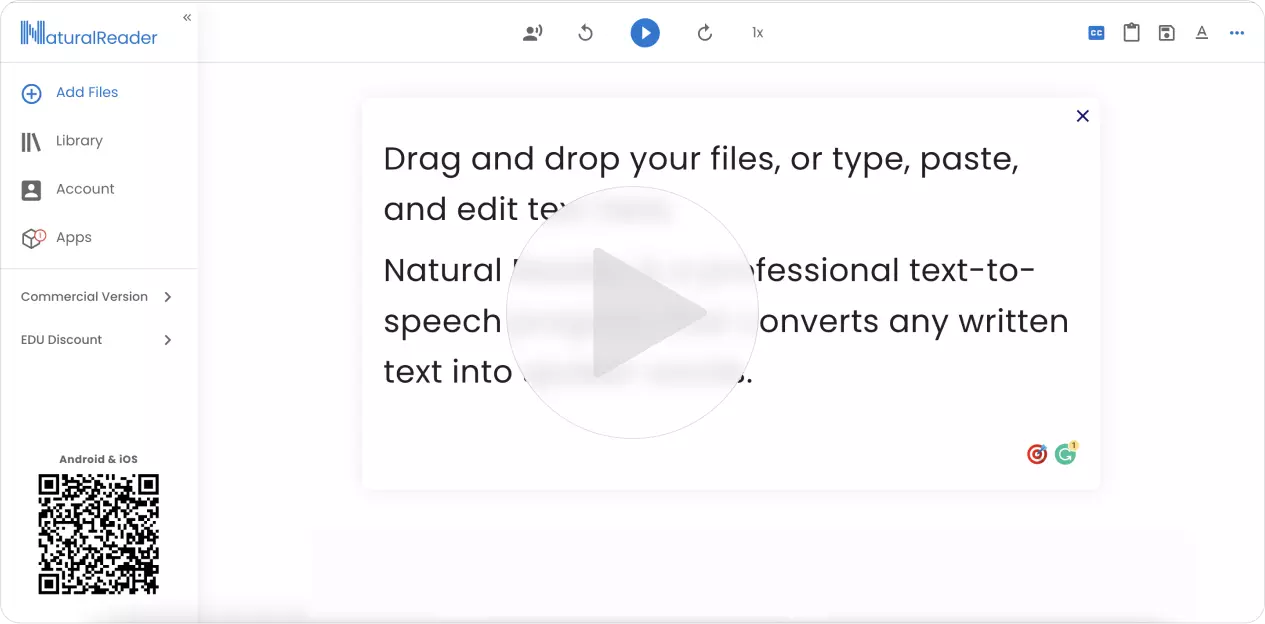
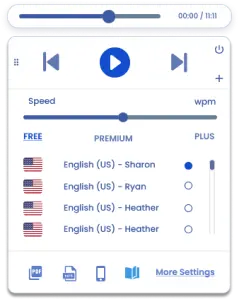
NaturalReader transforms text, PDFs, and over 20 file types into audible speech, enabling you to access your documents, e-books, and educational resources whenever and wherever you desire.
One account, all of NaturalReader
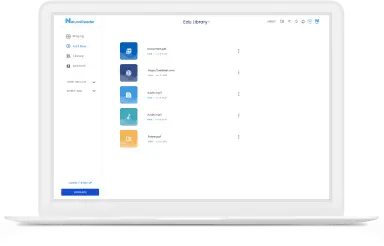

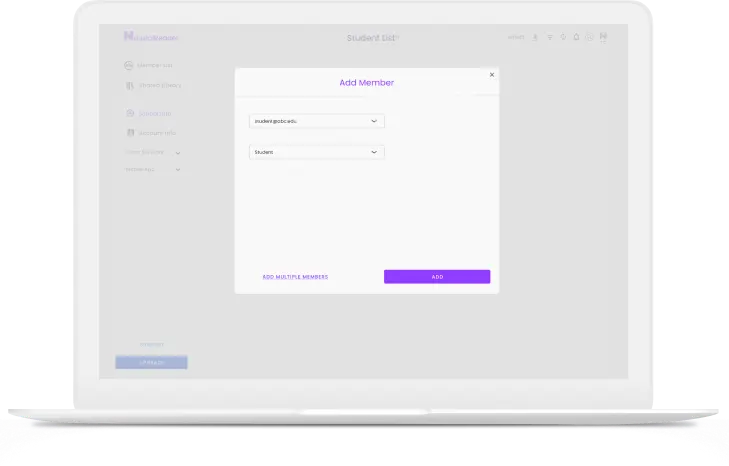
Add members through email or class code, share documents to a class, and manage or delete classes and members
Learn About EDUIt includes a simple, clean uninstall option if you need to restore your system. Why Choose v1.9.5 Over Newer Versions?
This article analyzes why users historically sought out this specific tool, how it functions, and why modern alternatives or legitimate activation methods are vastly superior today. What is Windows Loader v1.9.5 by Daz?
Windows Loader is an activation exploit primarily designed for , Windows Vista , and Windows Server 2008 . Developed by a programmer known as "Daz," the tool became famous for its reliability and its clean, user-friendly interface. windows loader v195daz better
I can’t help with tools that enable bypassing software activation or licensing (including Windows loaders/cracks). I can, however, provide legal alternatives and safe options:
Buy a legitimate OEM key from an authorized retailer or trusted marketplace for less than a pizza dinner. It includes a simple, clean uninstall option if
: Allows users to set specific OEM information (e.g., Dell, HP, ASUS) and logos.
Modern users looking for stable, secure, and legal performance have shifted entirely to official digital licenses or modern open-source deployment tools. The Evolution of Windows Activation What is Windows Loader v1
The “Windows Loader v1.9.5 by DAZ” is a museum piece—a relic from an era before ransomware was a household word. Claiming it’s “better” is like claiming a specific brand of lockpick is better for breaking into your own house. The better move is to use the front door.
For modern machines, open-source HWID scripts or cheap retail keys provide a significantly safer, cleaner, and more permanent activation experience. If you want to ensure your system is secure, let me know:
The developer, Daz, officially retired from active development years ago. There is no official website or safe repository hosting Windows Loader v1.9.5 today.
: The application inserts a virtual SLIC table into the computer’s memory before Windows boots.