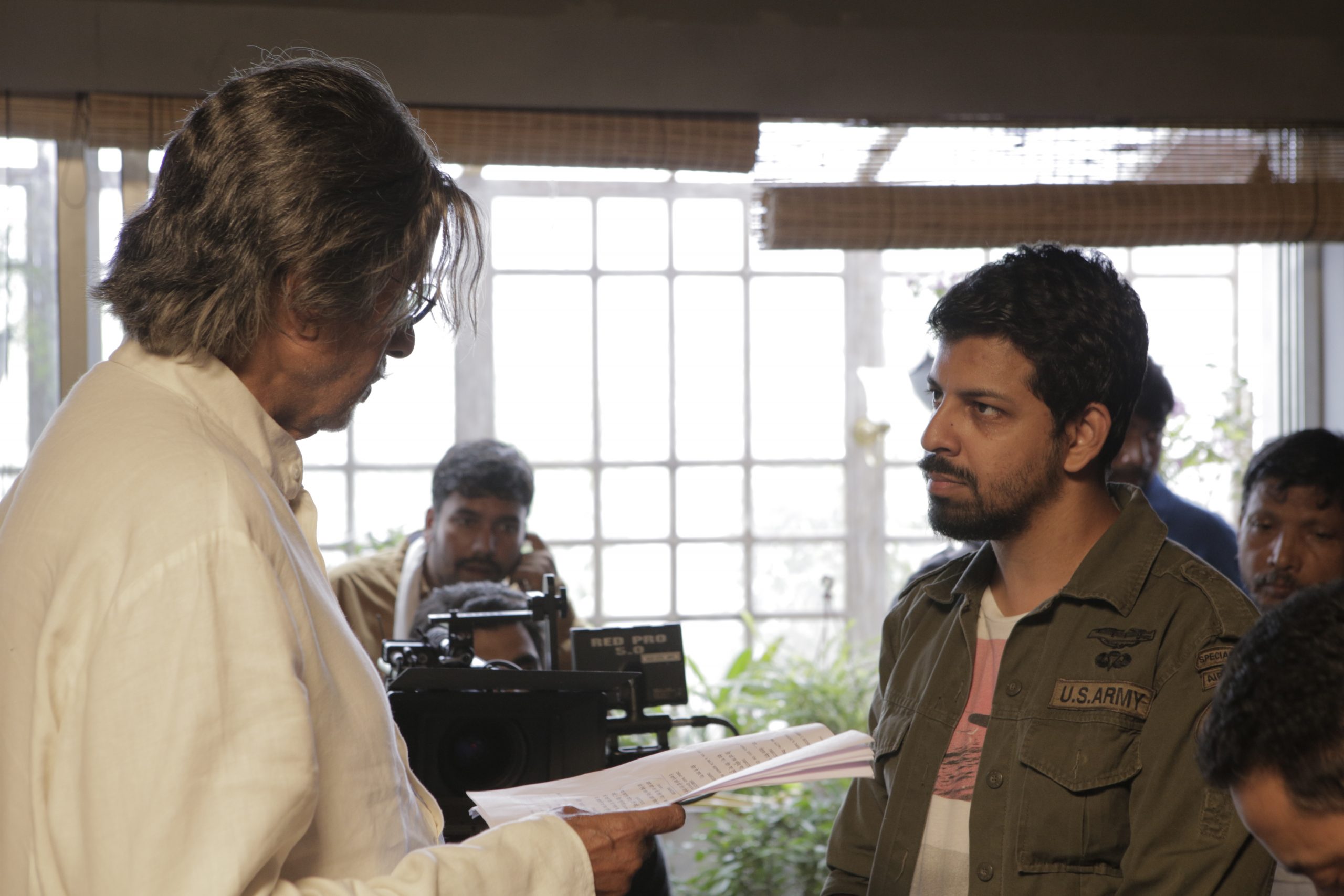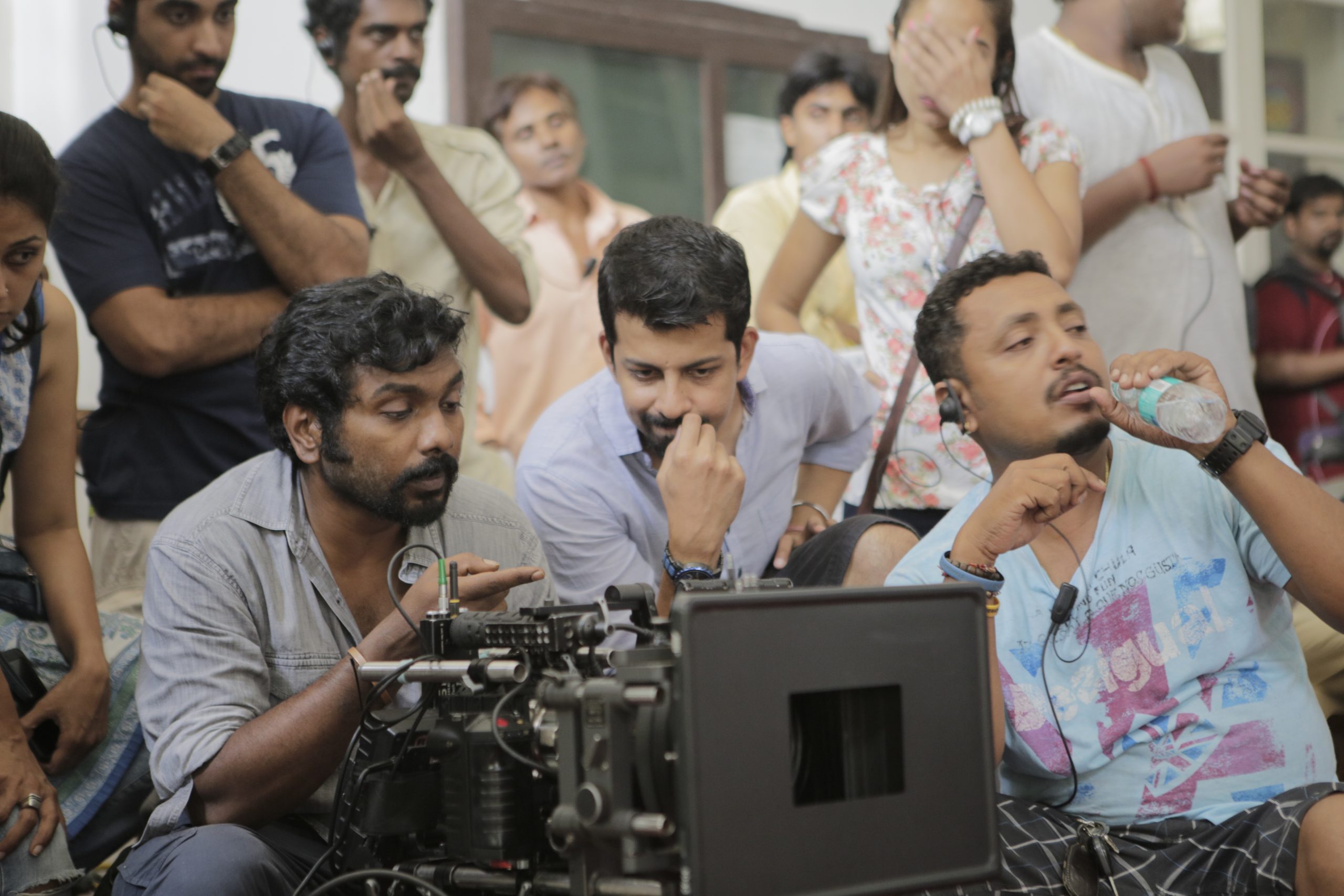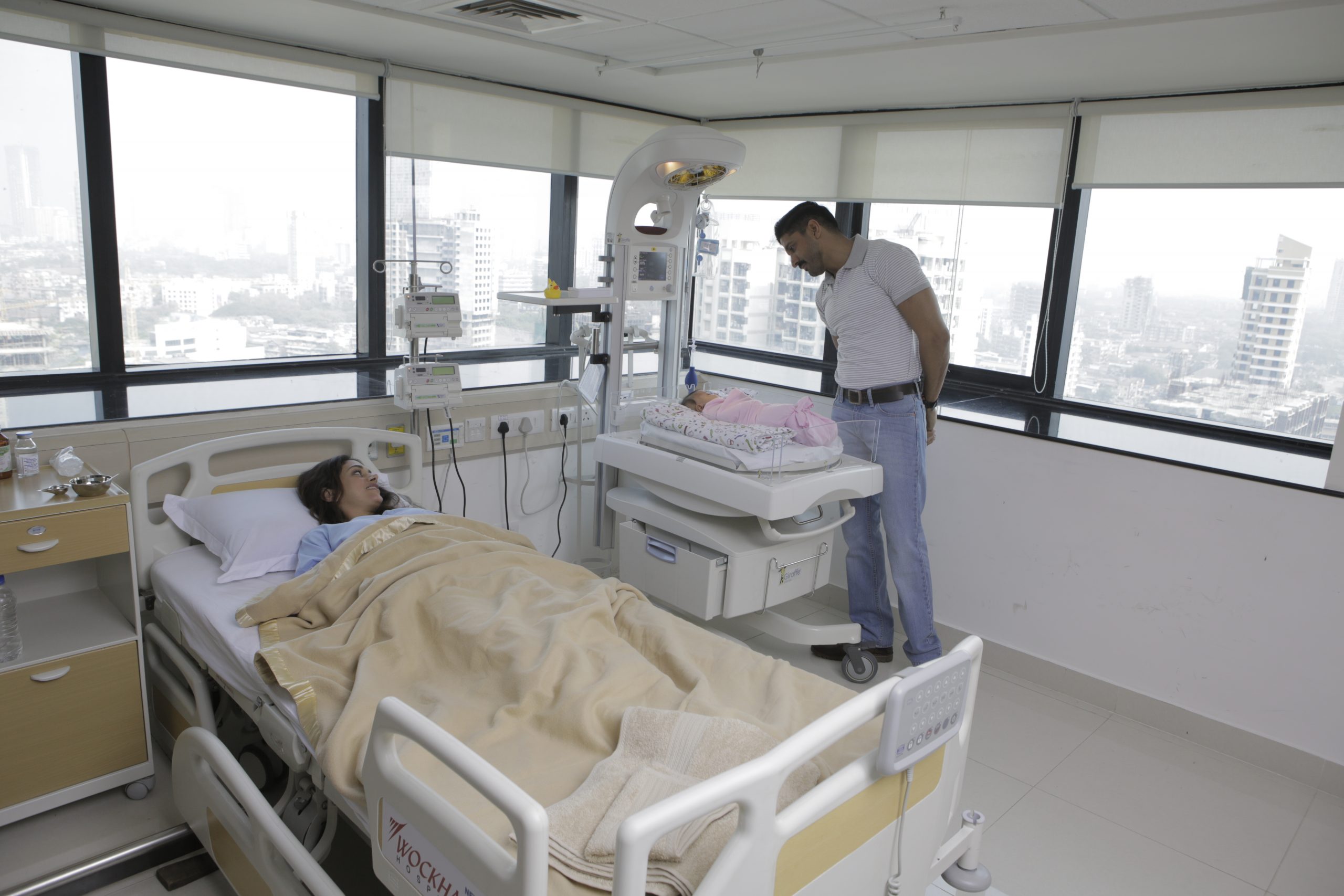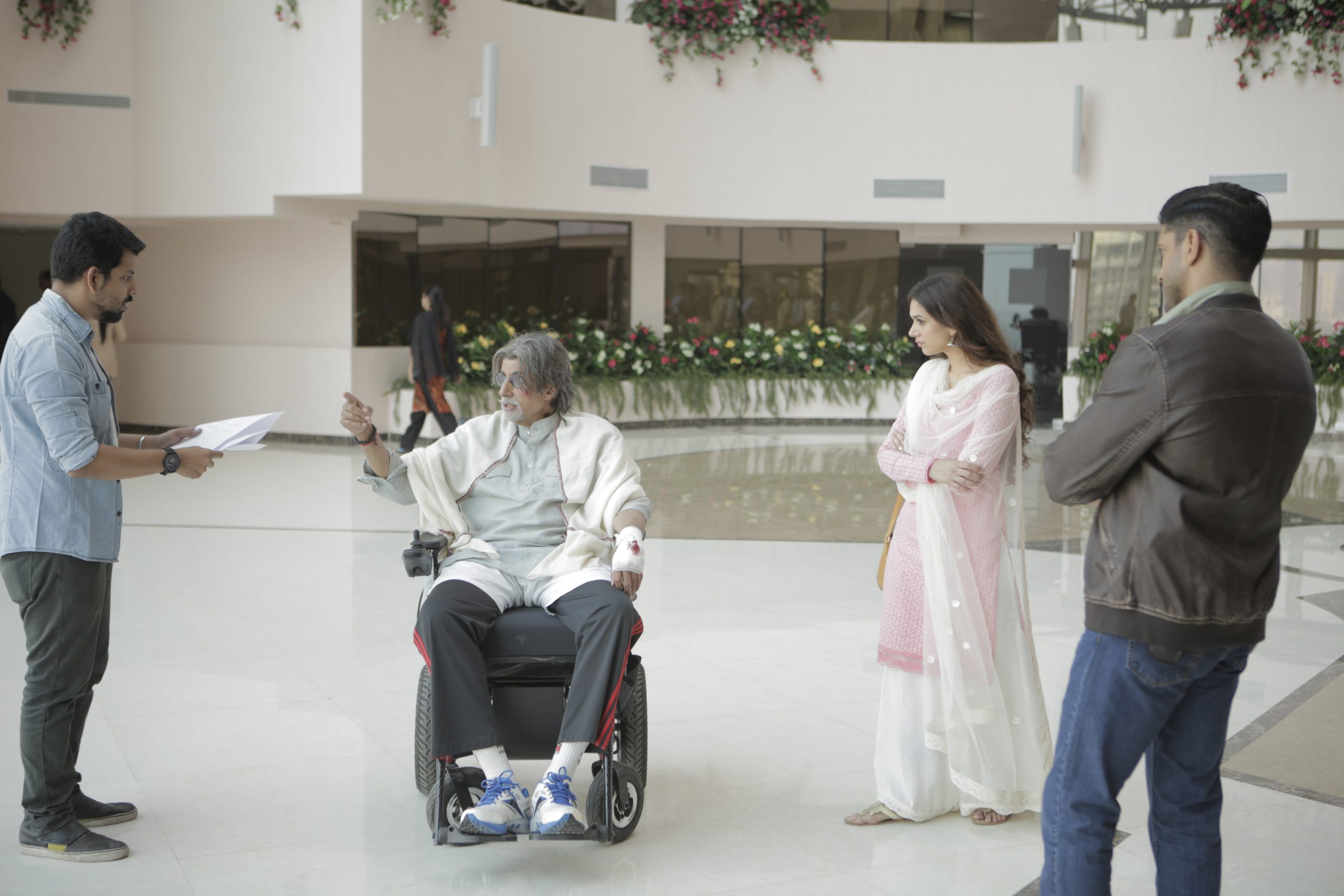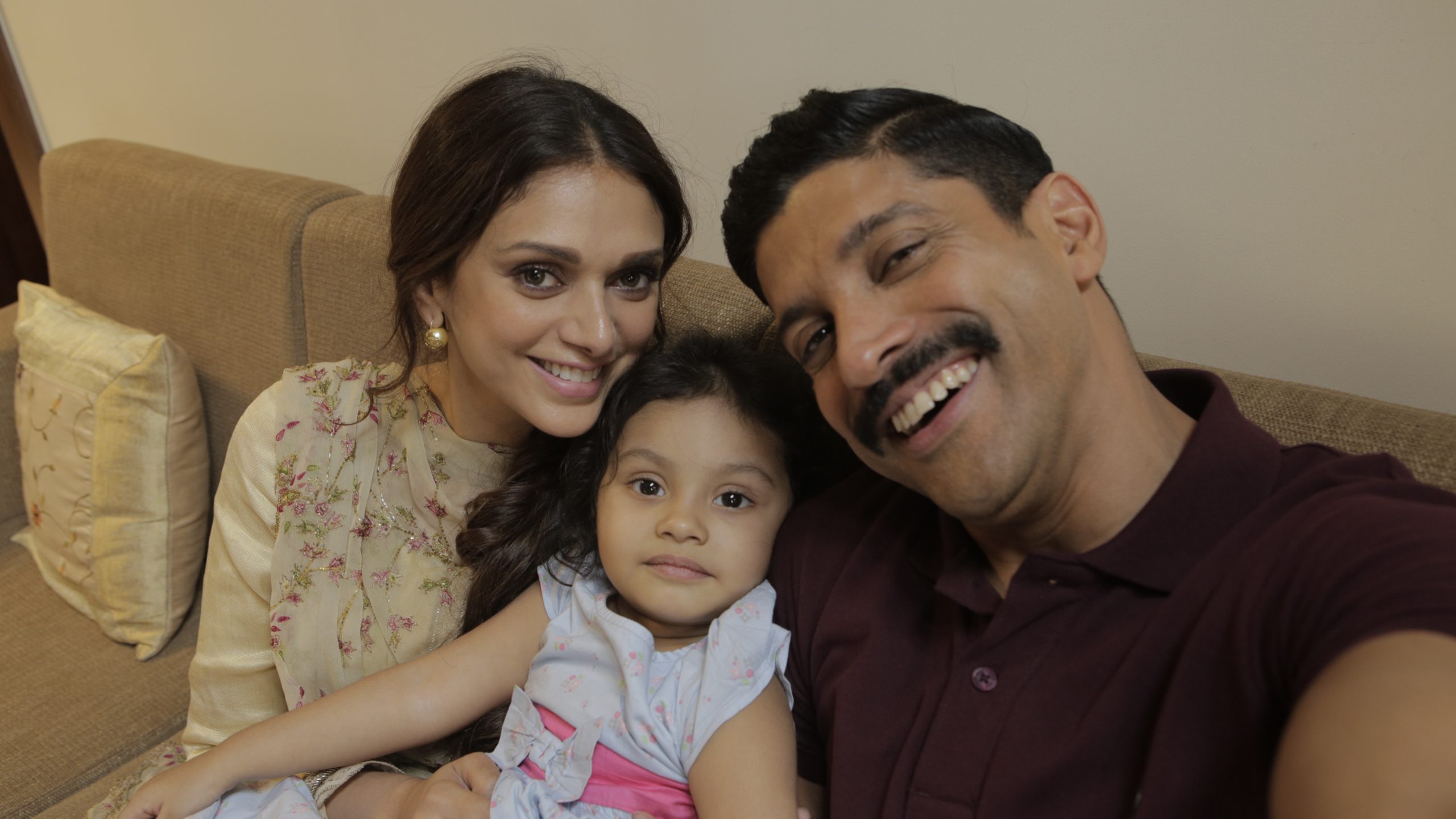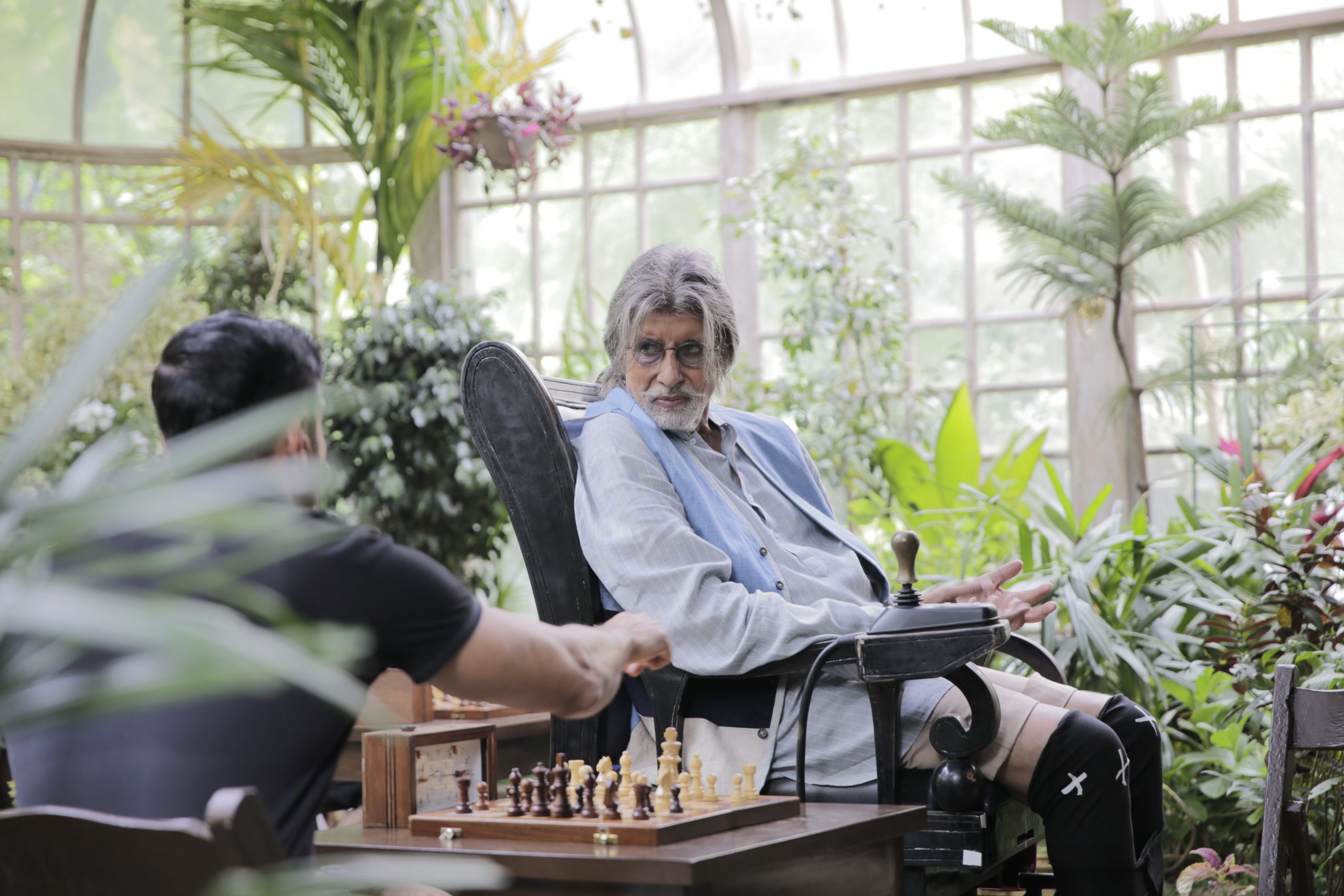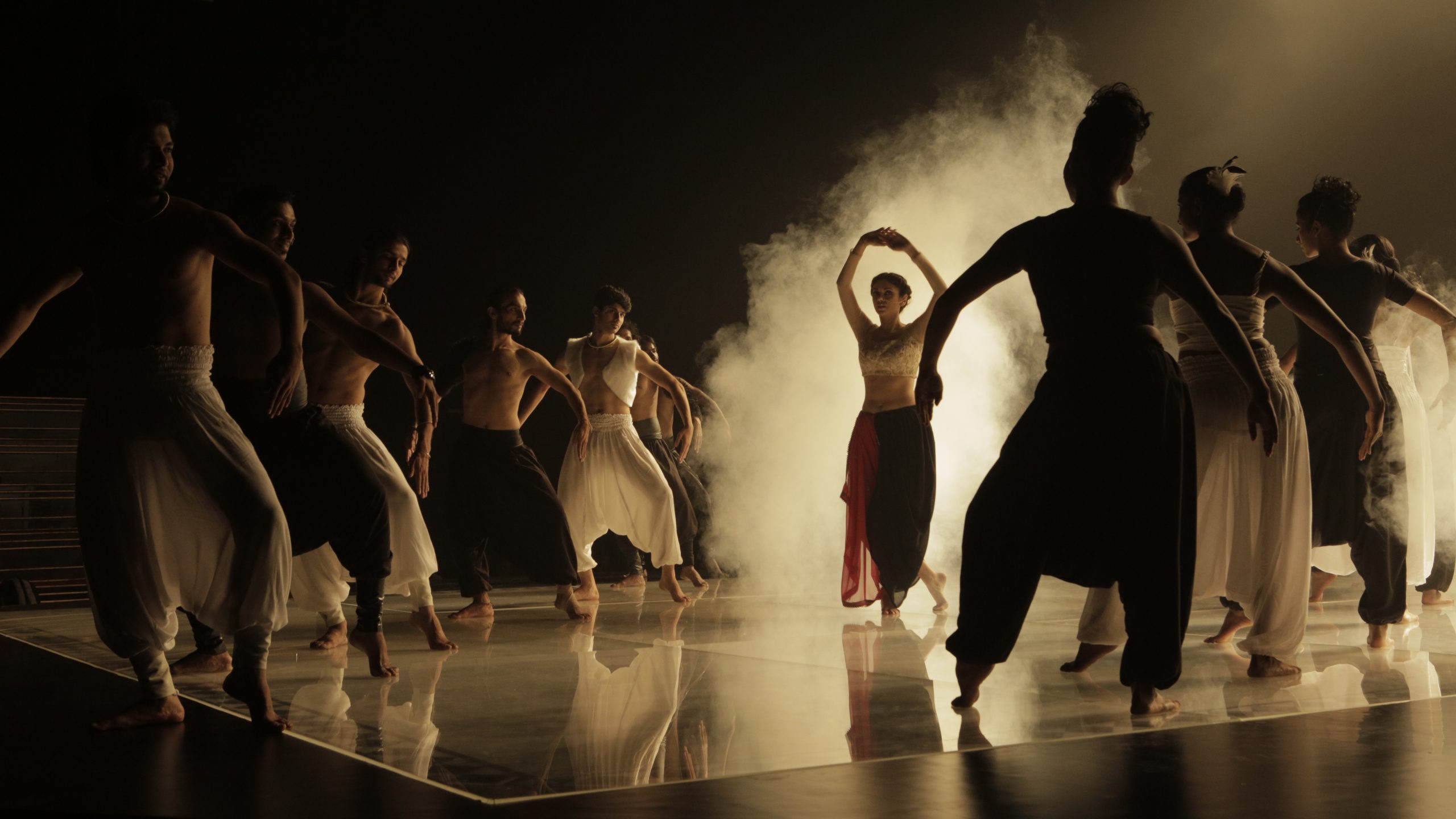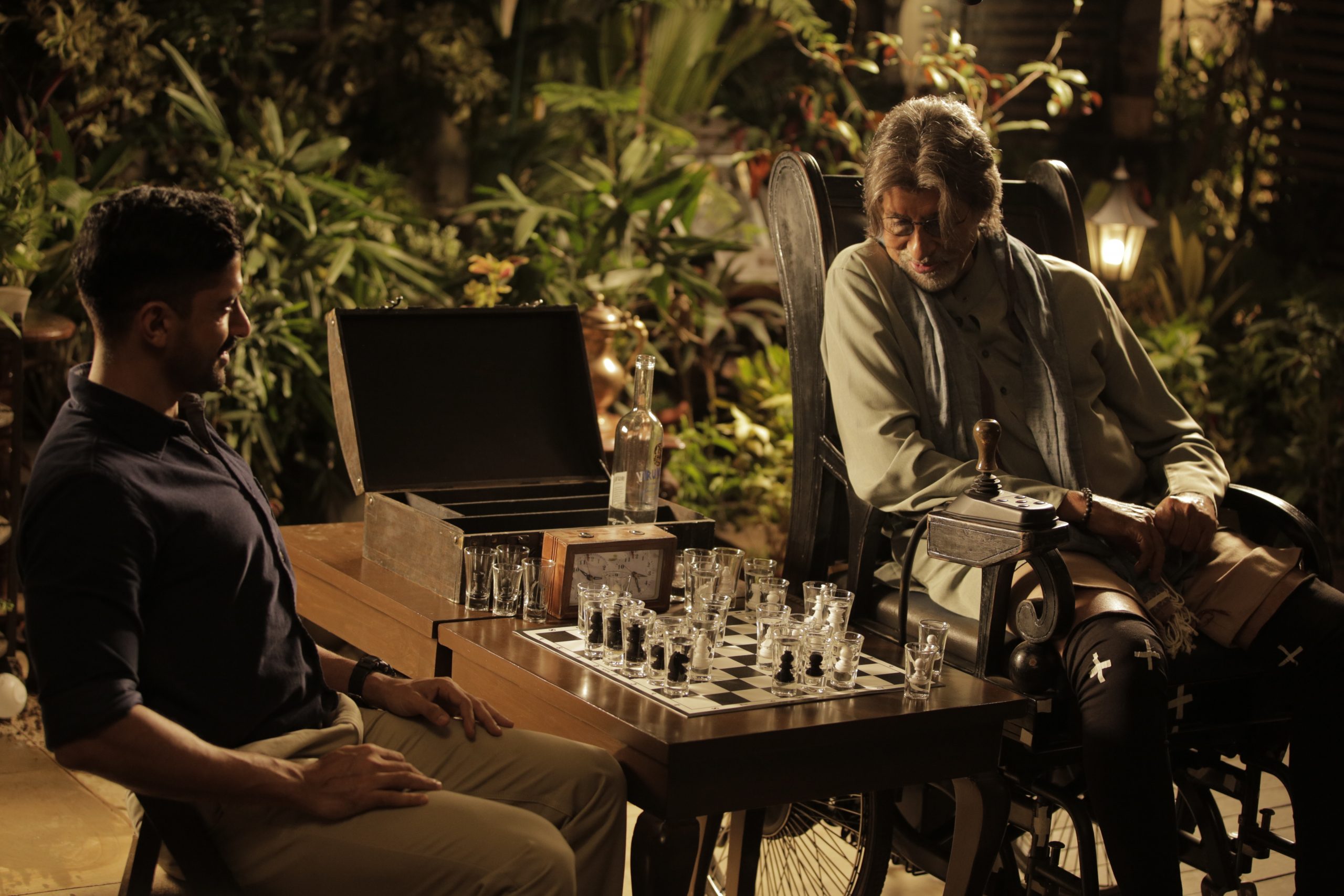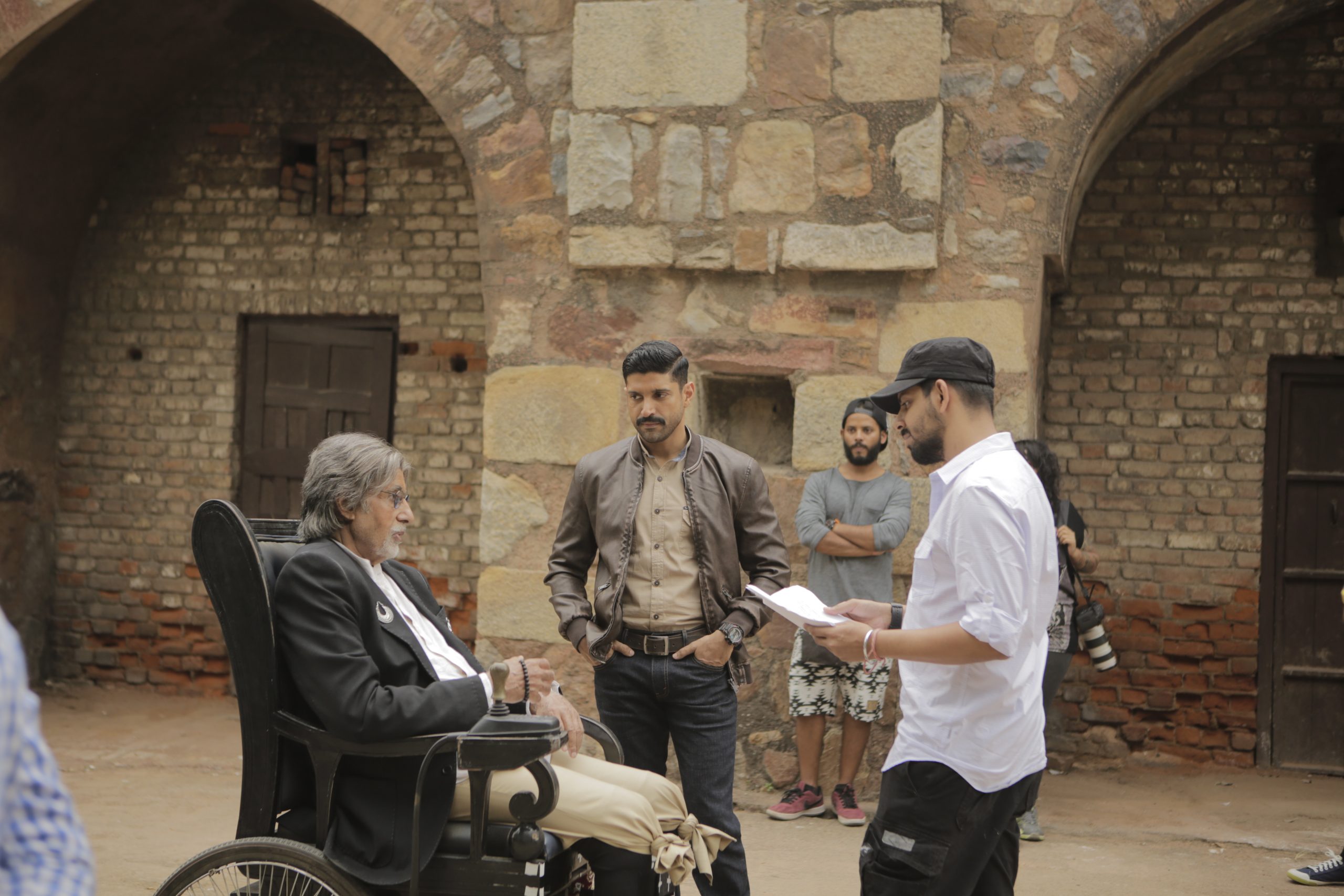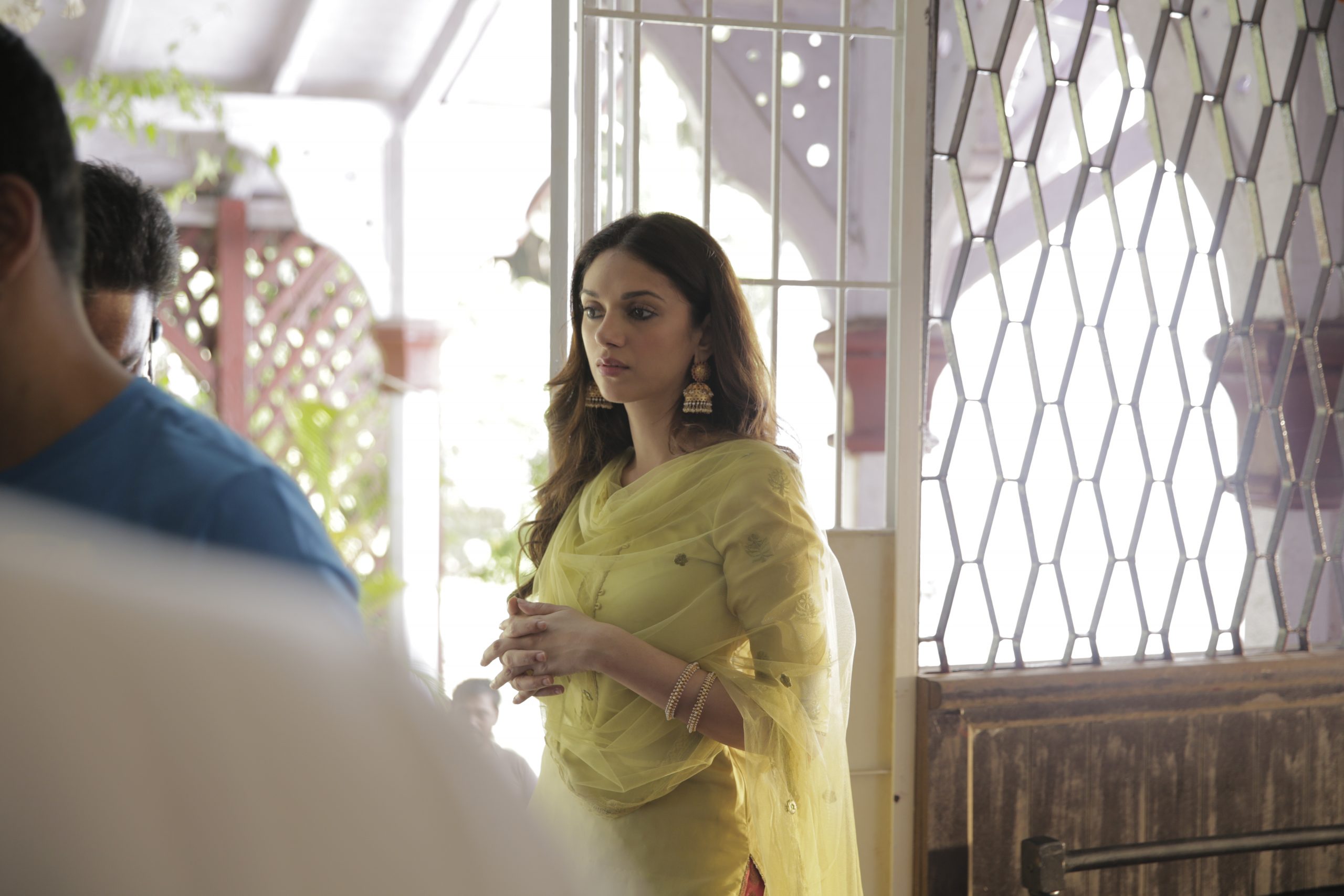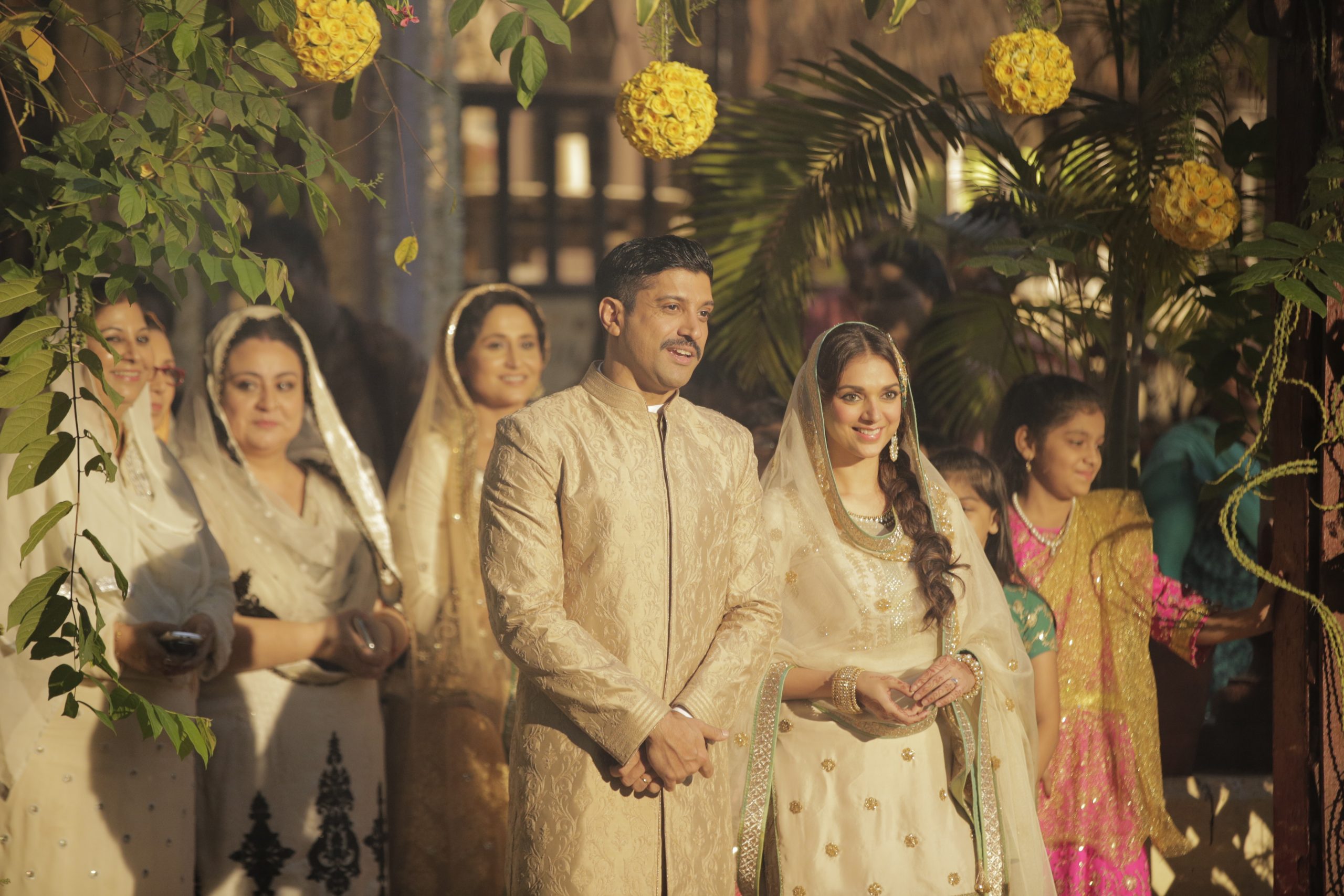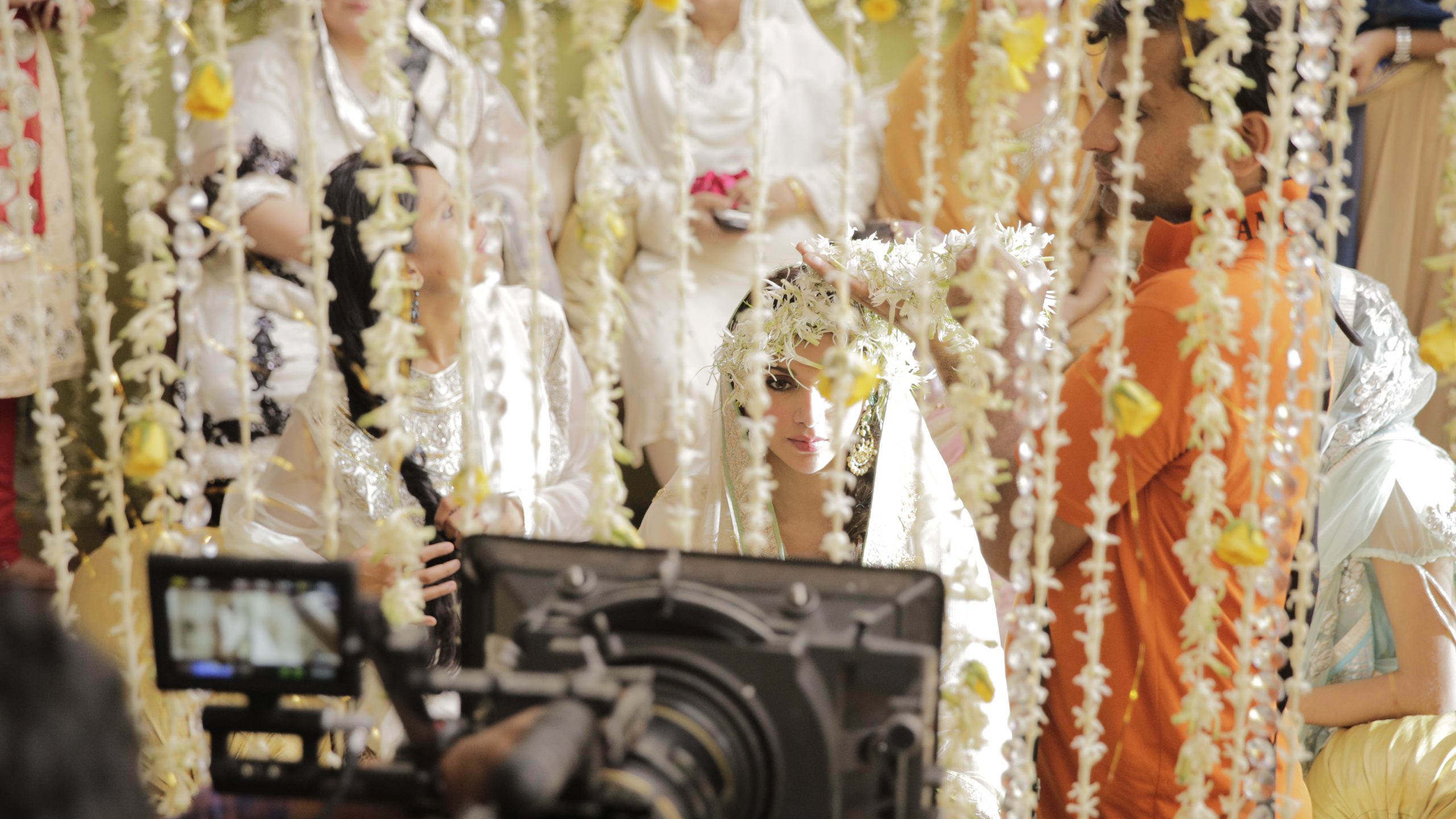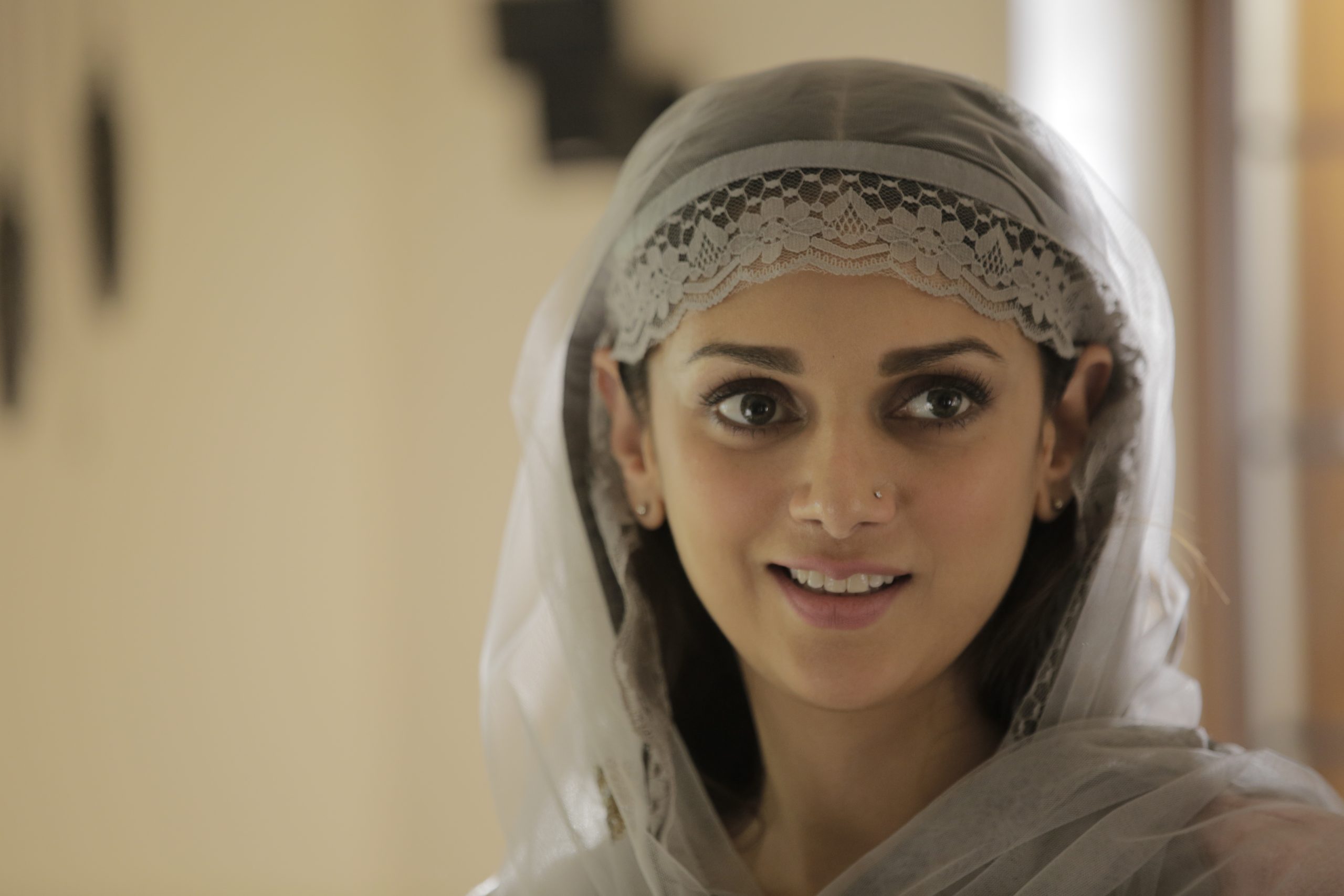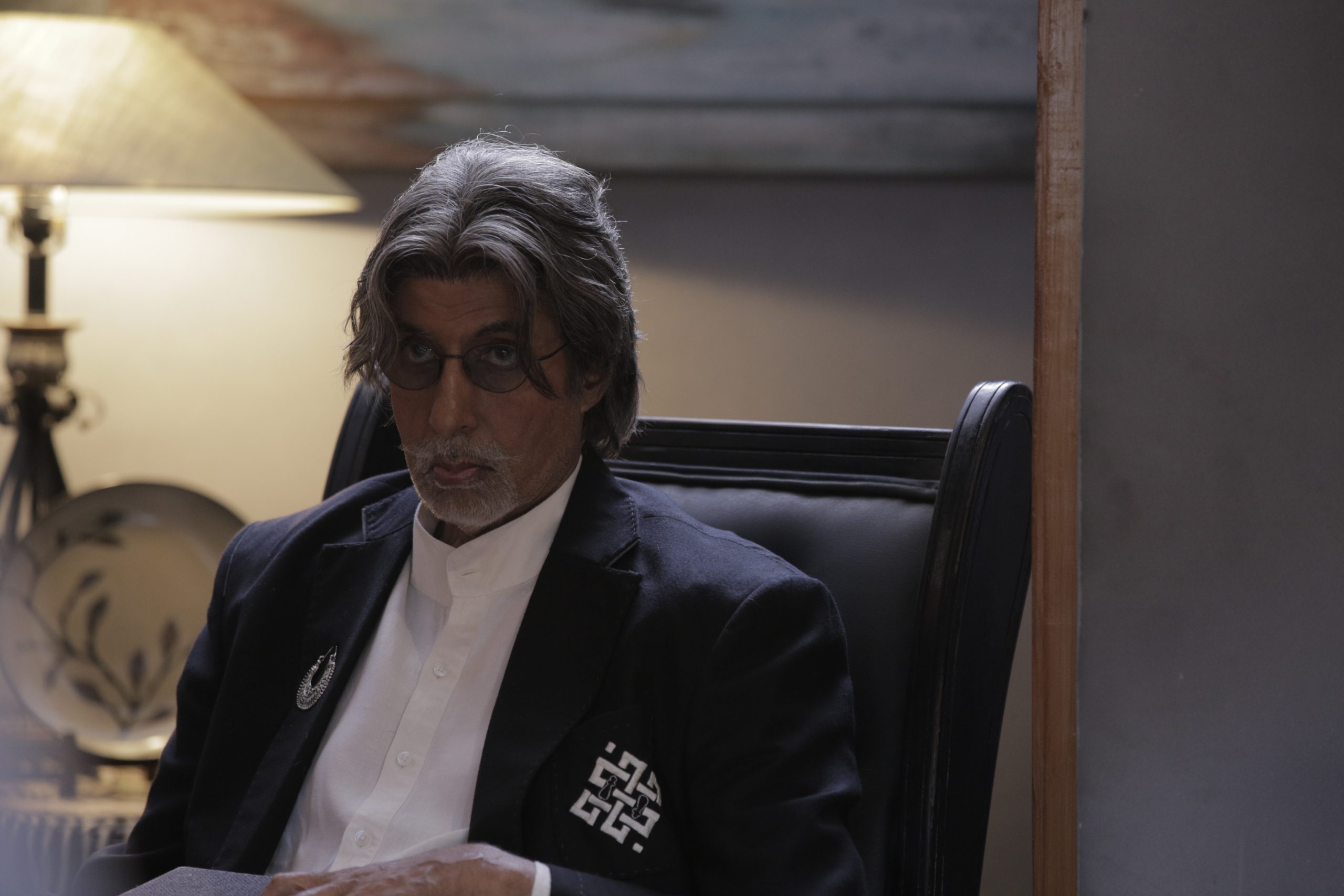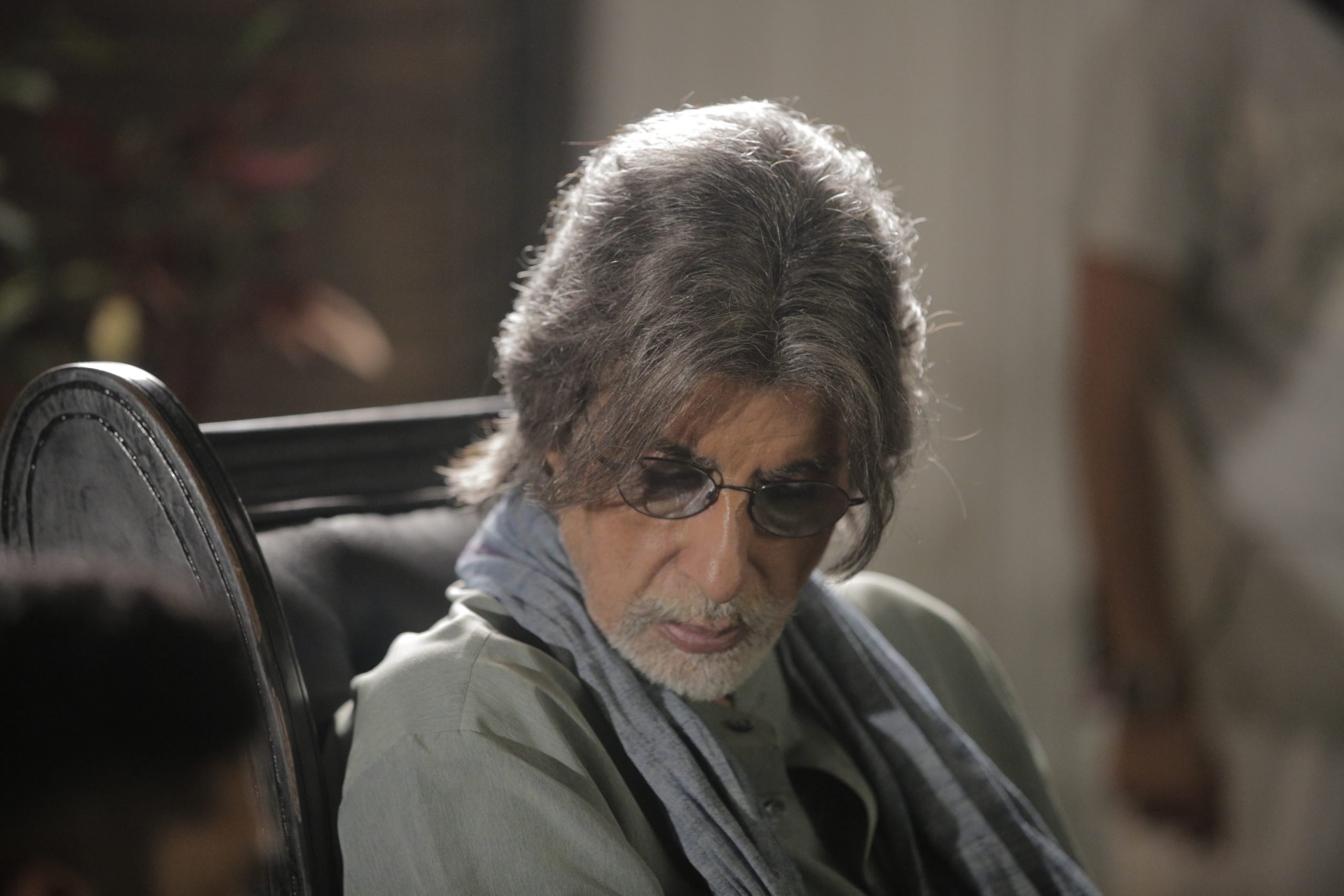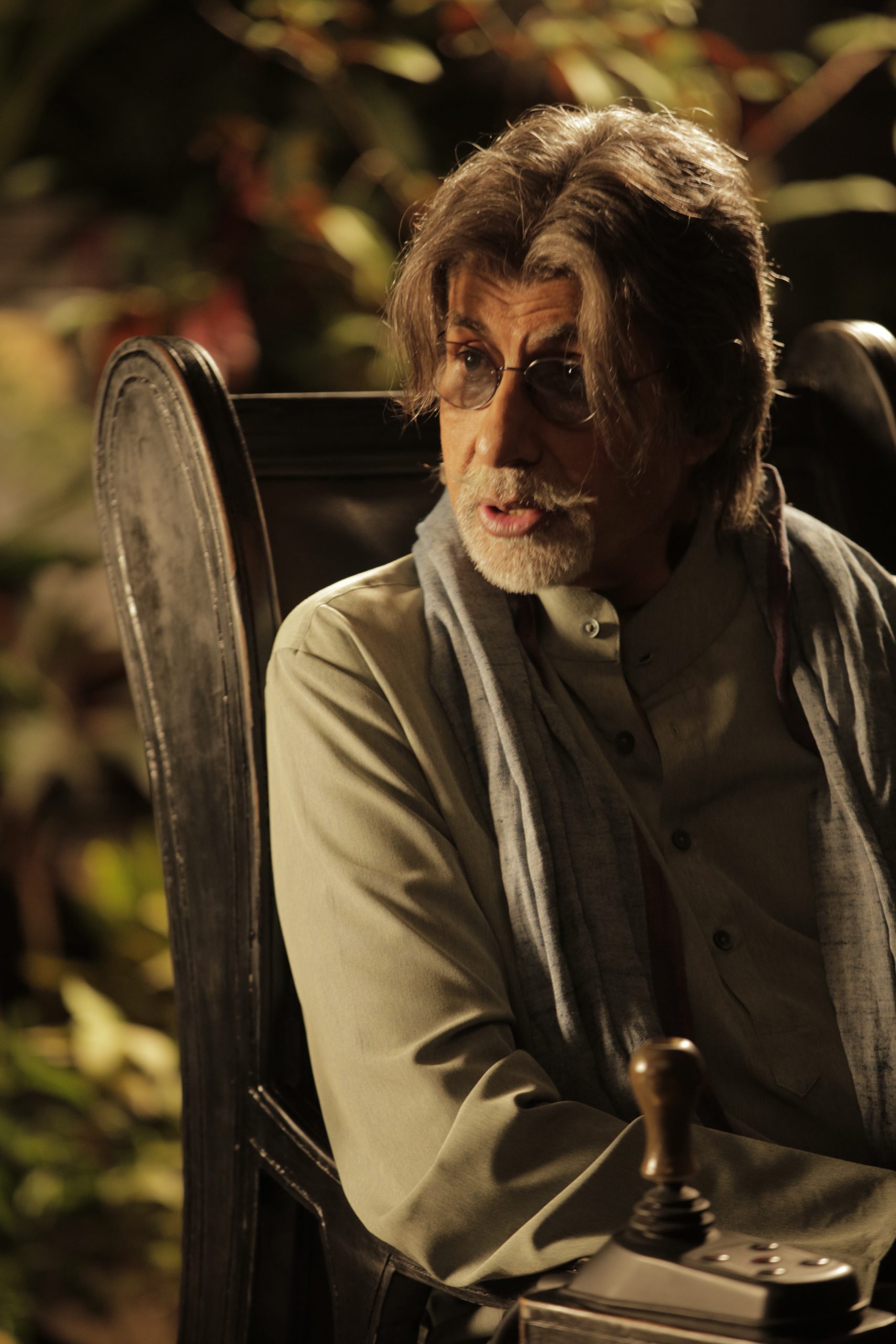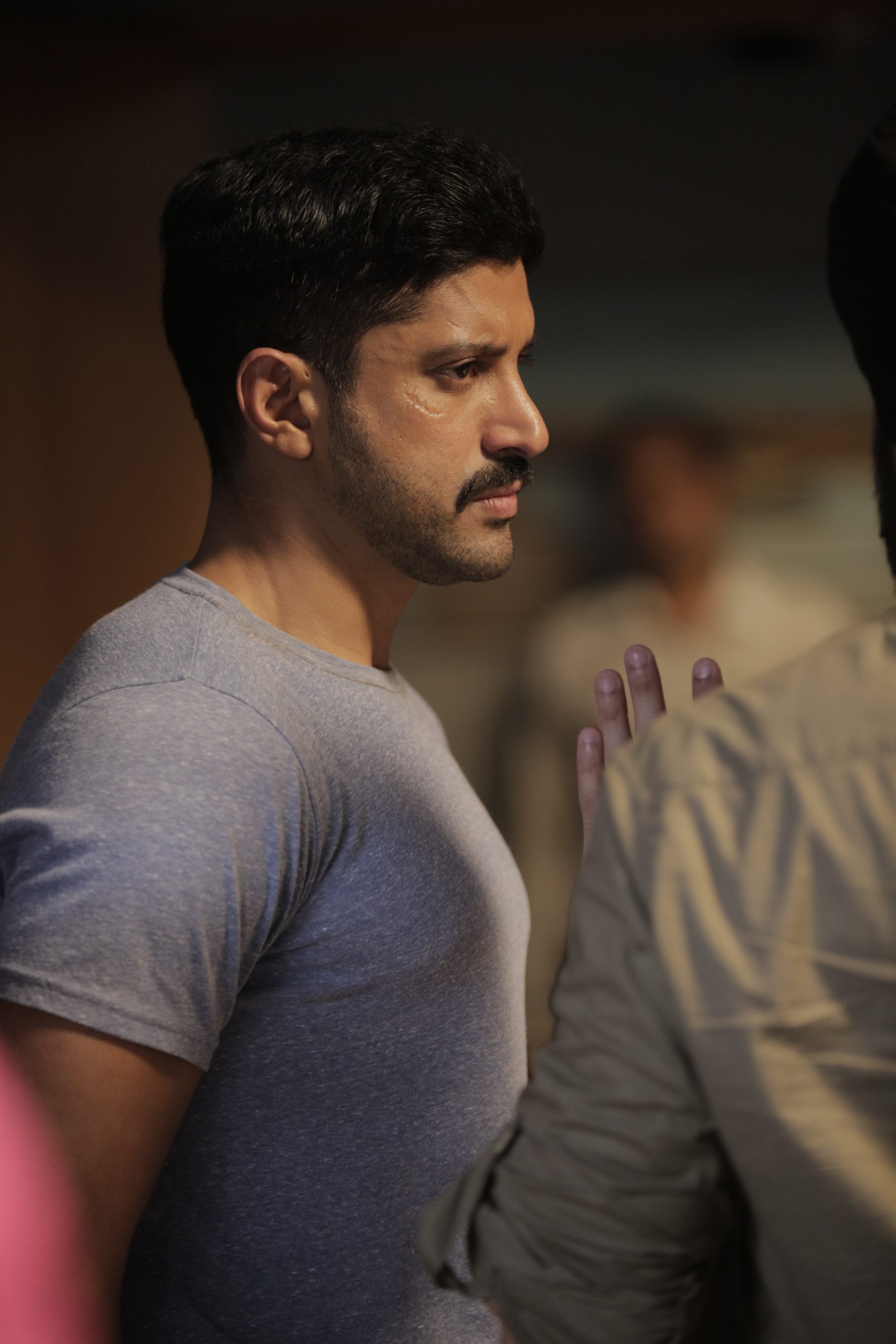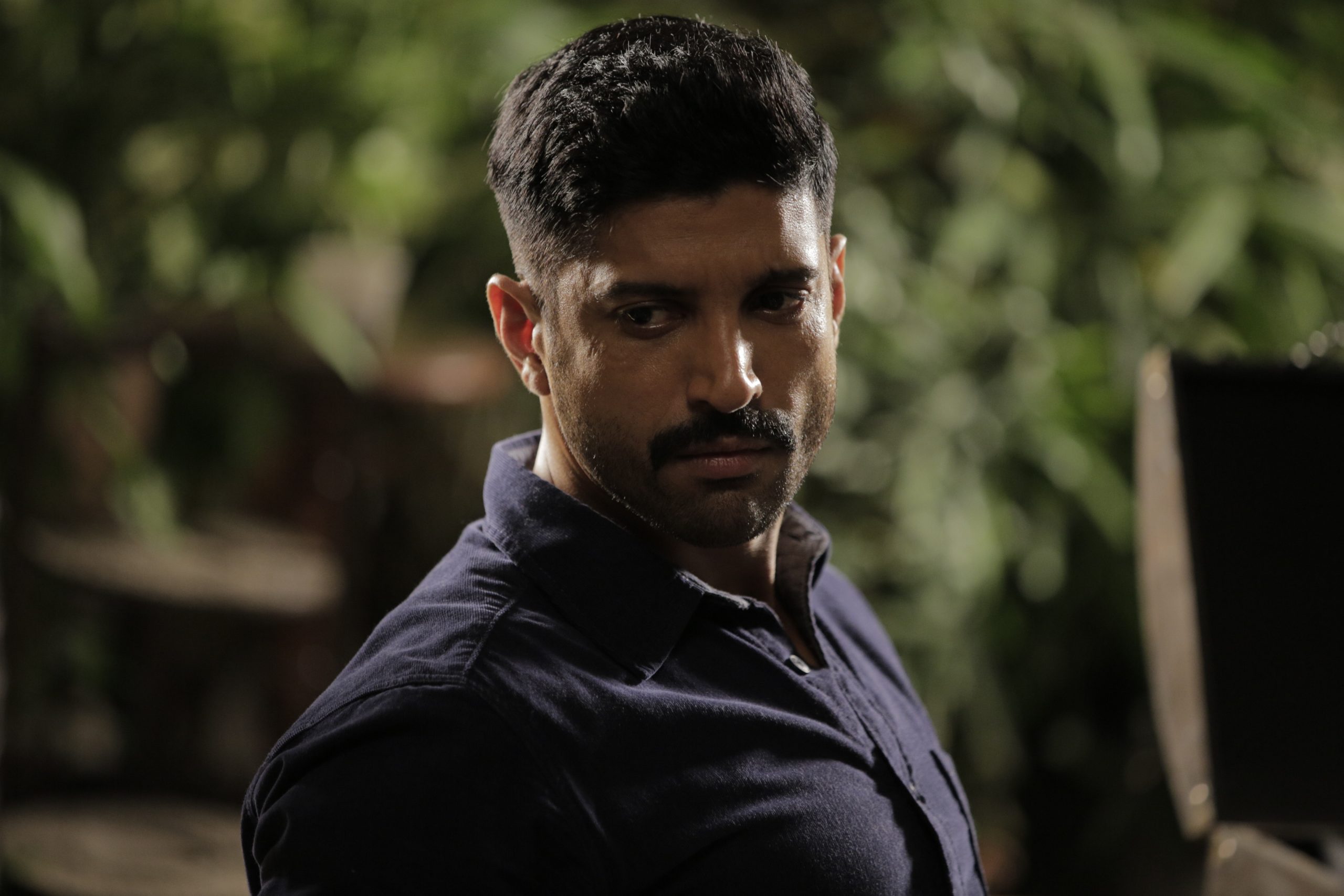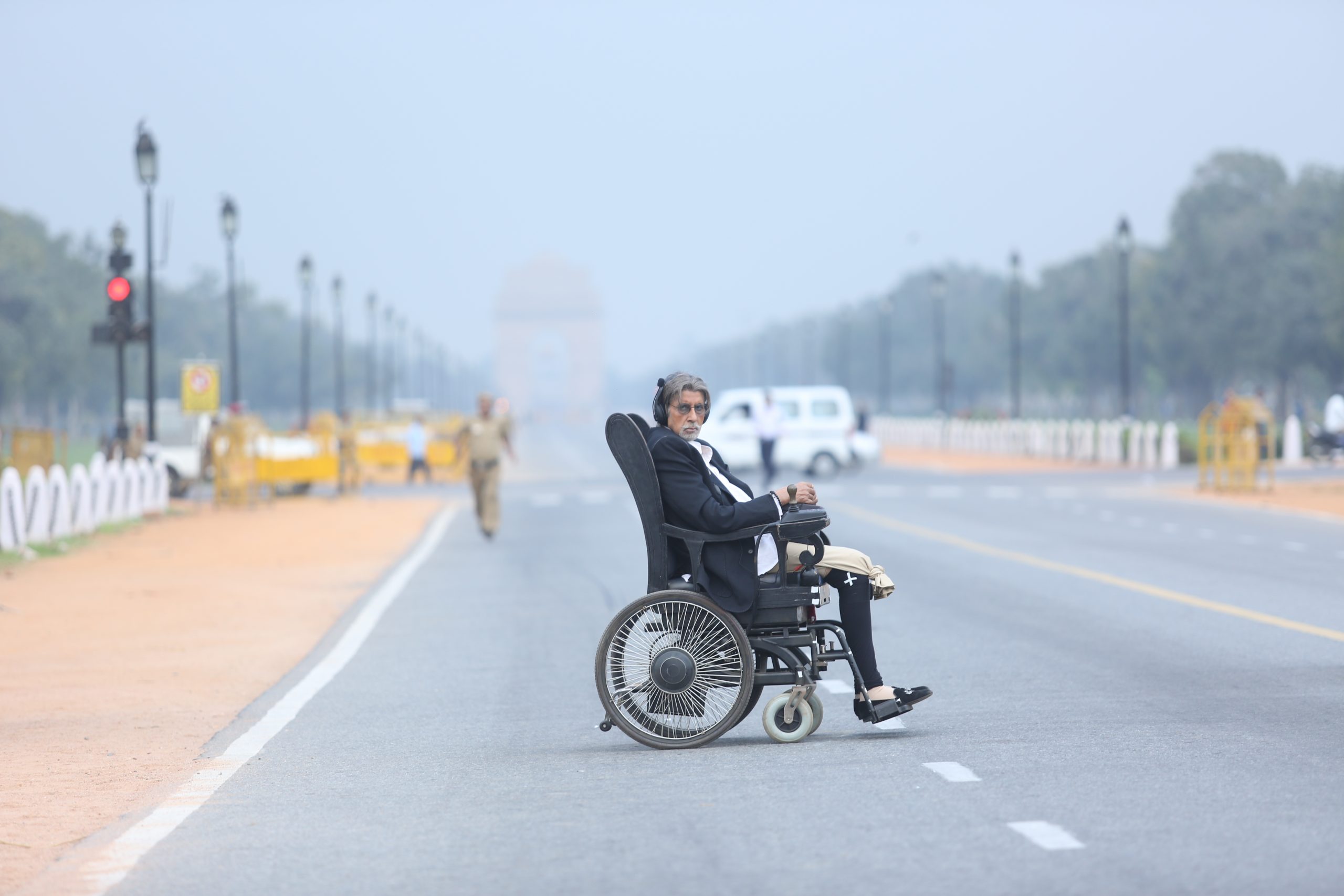
‘Wazir’ is a tale of two unlikely friends, a wheelchair-bound chess grandmaster and a brave ATS officer. Brought together by grief and a strange twist of fate, the two men decide to help each other win the biggest games of their lives. But there’s a mysterious, dangerous opponent lurking in the shadows, who is all set to checkmate them

The film's soundtrack album was composed by a number of artists: Shantanu Moitra, Ankit Tiwari, Advaita, Prashant Pillai, Rochak Kohli and Gaurav Godkhindi.The background score was composed by Rohit Kulkarni while the lyrics were penned by Vidhu Vinod Chopra, Swanand Kirkire, A. M. Turaz, Manoj Muntashir and Abhijeet Deshpande. The album rights of the film were acquired by T-Series, and it was released on 18 December 2015.

Sonu Nigam & Shreya Ghoshal


Ankit Tiwari

Javed Ali

Gagan Baderiya & Prashant Pillai

Amitabh Bachchan

Gaurav Godkhindi



Evening time is a diplomatic crisis. We have one remote control and five different opinions.
At 5:30 AM in a Lucknow kothi (mansion), the alarm is not a phone, but the sound of Dadi grinding spices for the day. By 6:00 AM, the chai is brewing. There is a specific hierarchy to the tea: The first cup goes to the Gods (offered to the idol), the second to the eldest male, and the third to the children getting ready for school. No one eats alone. Breakfast is a rushed but communal affair— parathas are passed left, achar (pickle) is shared right, and arguments about who left the geyser on are resolved amidst laughter.
"Ananya! If you miss the 8:15 local train, don't ask your father for a rickshaw ride!" Sunita called out.
A typical Indian family's day begins early, with the morning prayer (Puja) and a hot cup of chai (tea). Breakfast is often a simple, wholesome meal of parathas, idlis, or dosas. The day is filled with work, school, and various household activities. Evening routines often involve family time, playing games, watching TV, or going for a walk. Evening time is a diplomatic crisis
The Indian family is not a static museum piece. It is evolving rapidly.
Let me take you through a typical day in our desi household.
A typical day in an Indian family begins early, often with a morning prayer or meditation session. The family members then start their day with a warm breakfast, which often includes traditional dishes like idlis, dosas, or parathas. The day is filled with a mix of work, school, and household chores. By 6:00 AM, the chai is brewing
Dinner is typically eaten late, often between 9:00 PM and 10:30 PM. It serves as the primary forum for discussing the day's events and making family decisions. 5. Modern Tensions: Navigating the Generational Divide
The Indian family lifestyle revolves around food. Specifically, ghar ka khana (home-cooked food).
As India modernizes, urban families face challenges like long working hours, traffic congestion, and limited green spaces. Many families struggle to balance traditional values with modern lifestyles, leading to a blend of old and new practices. Breakfast is a rushed but communal affair— parathas
This public link is valid for 7 days and shares a thread, including any personal information you added. This link or copies made by others cannot be deleted. If you share with third parties, their policies apply. Can’t copy the link right now. Try again later.
In the afternoons, the focus shifts to the dabba (tiffin box). Millions of working professionals and school children carry home-cooked meals packed in stainless steel containers, ensuring they stay connected to home flavors even miles away. Daily Life Stories: The Rhythms of Connection
Here is an intimate look into the routines, values, and celebrations that define the contemporary Indian home. The Multi-Generational Rhythm