Malayalam cinema, often called , is more than just an industry; it is a mirror of the unique social, political, and cultural landscape of Kerala. To understand it is to understand the "Malayali" identity—rooted in high literacy, social awareness, and a deep appreciation for grounded realism. 🎬 A Quick History
By exploring the vibrant world of Malayalam cinema and culture, one can gain a deeper appreciation for the rich heritage and traditions of Kerala. Whether you are a film enthusiast or a cultural aficionado, Malayalam cinema and culture have something to offer everyone.
Malayalam cinema remains a powerful testament to the cultural capital of Kerala. By prioritizing strong screenplays, rooted aesthetics, and raw human emotions over astronomical production budgets, the industry proves that universal stories are best told through local lenses. It continues to be a mirror to Kerala’s progressive triumphs, its deep-seated contradictions, and its enduring artistic legacy. To continue exploring this topic,
: Many films are deeply rooted in Malayalam literature, translating complex social issues like caste, religion, and family structures to the screen. Iconic Figures : Actors like Kaviyur Ponnamma
Provide a curated list of based on your favorite genres.
The 1970s and 1980s marked a golden era, characterized by the rise of "Middle Cinema"—a genre that successfully merged the artistic sensibilities of parallel cinema with the accessibility of commercial films. Visionary directors like Aravindan, John Abraham, and Adoor Gopalakrishnan gained international recognition for their avant-garde storytelling.
Outside, the rain had softened to a drizzle. The eastern sky was turning a pale, bruised lavender. The first fishing boats were setting out, their lights twinkling like distant stars on the backwaters.
Malayalam cinema does not exist in a vacuum. It is nourished by three main cultural pillars. 1. Literary Synergy
Lijo Jose Pellissery’s visceral exploration of primal human instincts earned global acclaim and was selected as India's official entry for the 93rd Academy Awards. Cultural Anchors: Geography, Politics, and Inclusivity
MASSAGE
SEND
×The message has been sent!
In the near future we will reply to you.
Regards WDS
|
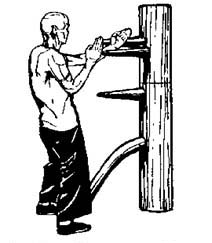
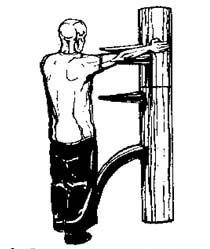
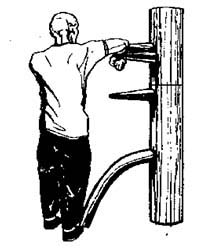
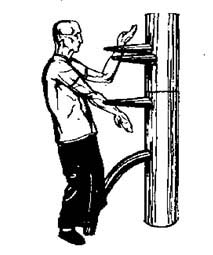
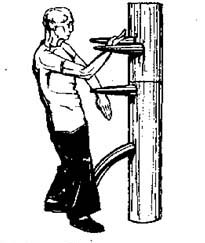
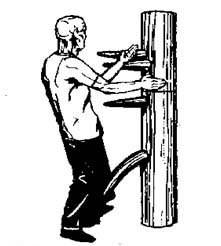
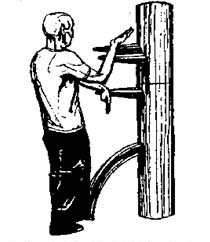
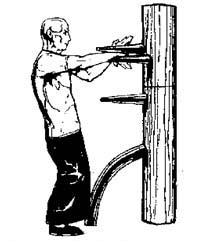
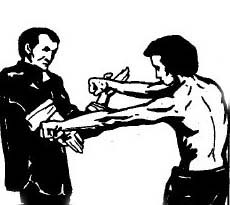
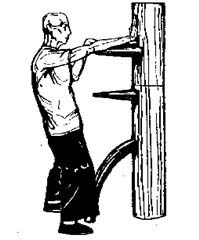
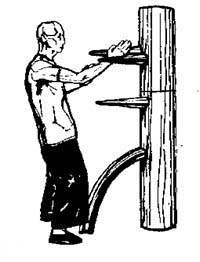
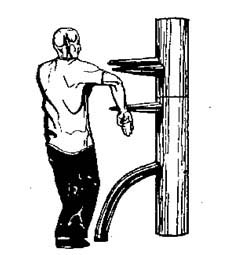
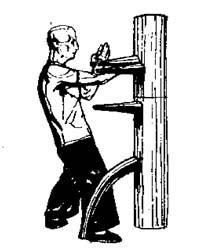
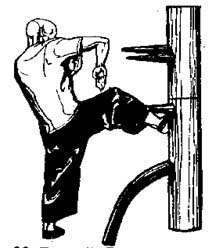
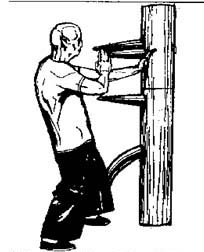
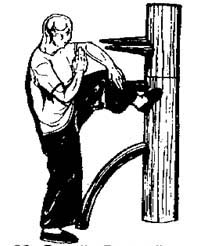
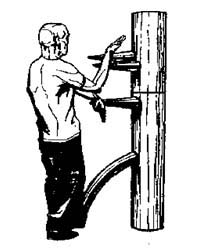
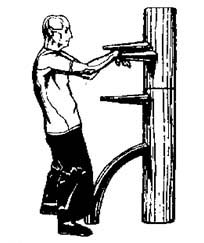
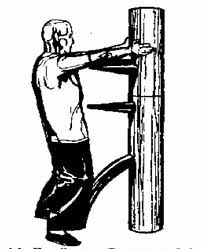
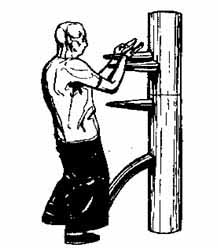
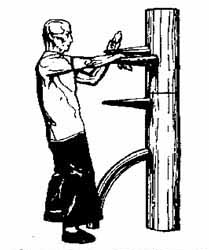
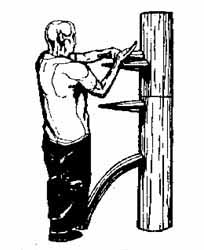
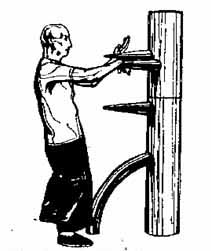
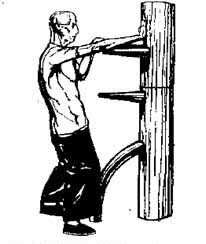
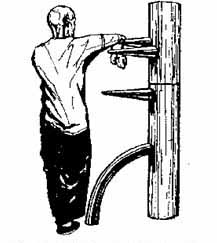
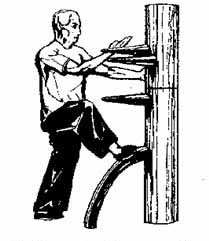
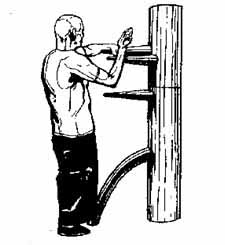
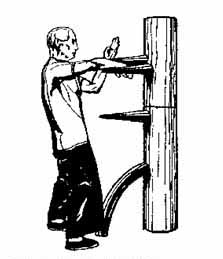
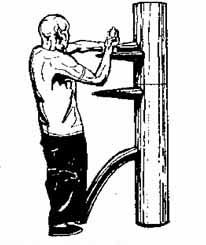
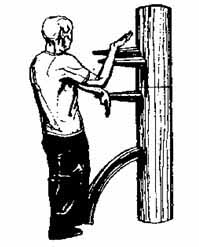
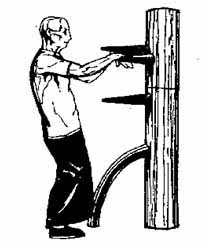
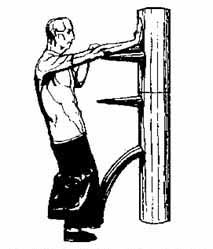
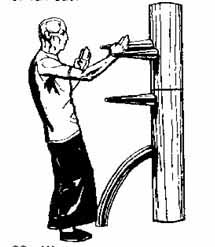
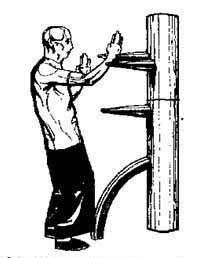
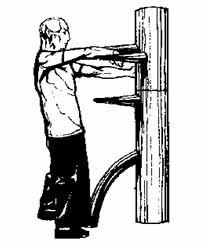
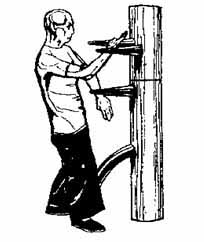
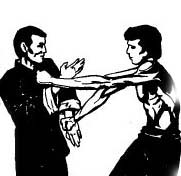
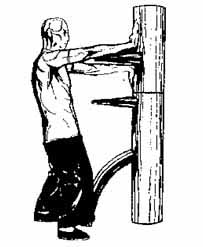
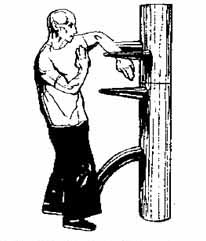
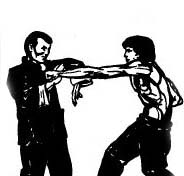
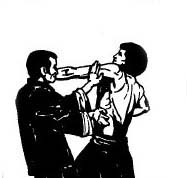
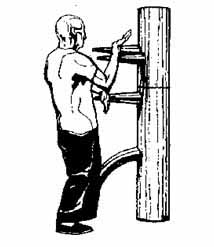
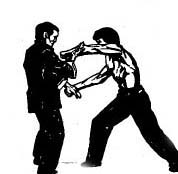
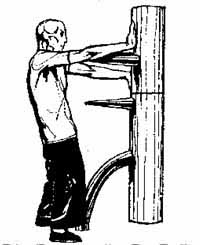
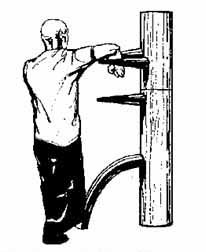
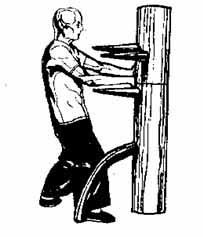
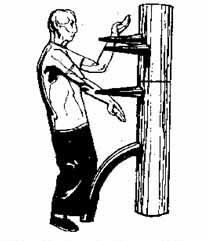
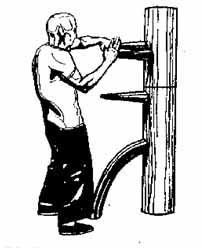
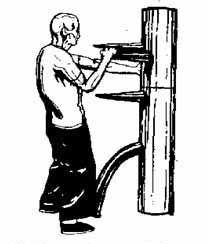
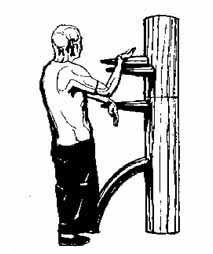
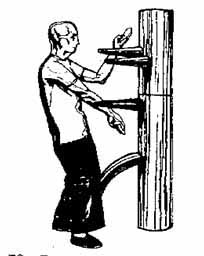
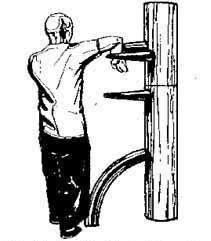
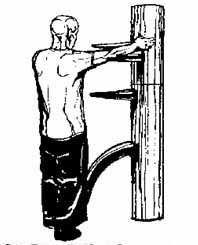
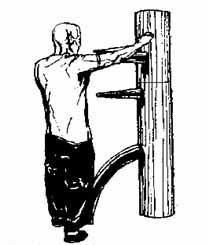
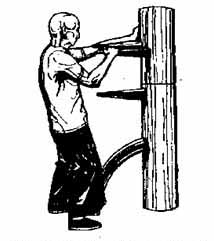
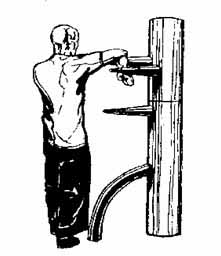
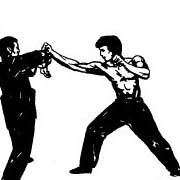
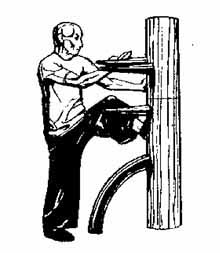
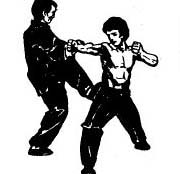
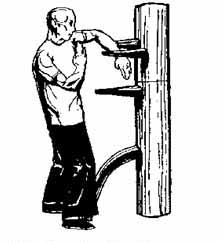
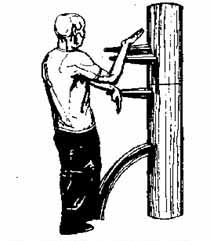
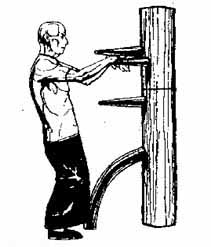
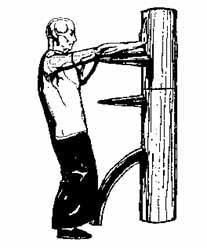
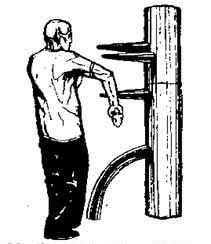
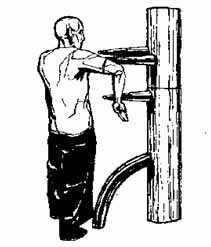
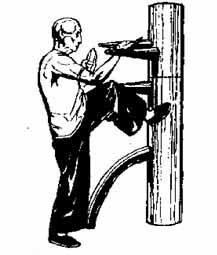
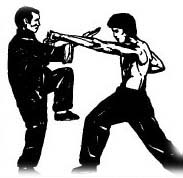
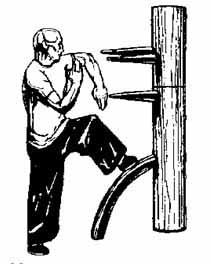
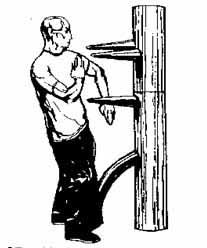
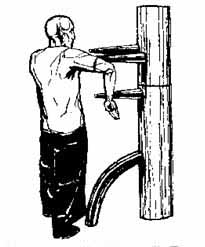
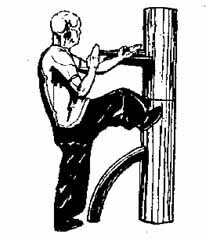
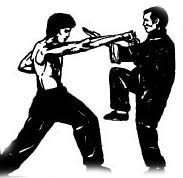
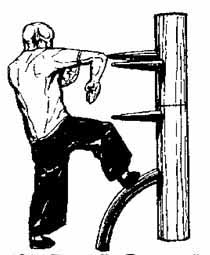
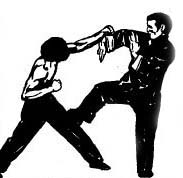
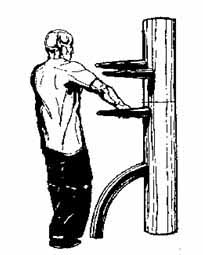
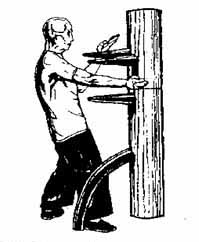
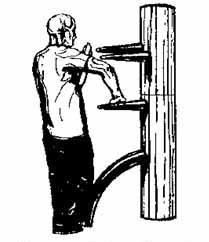
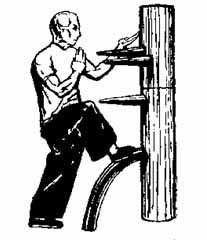
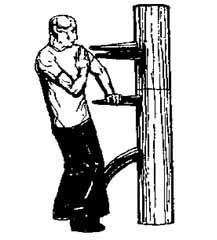
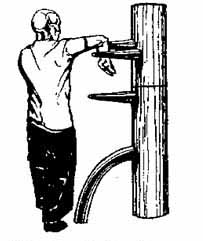
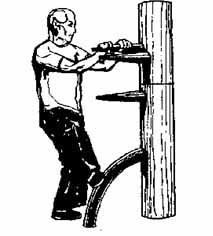
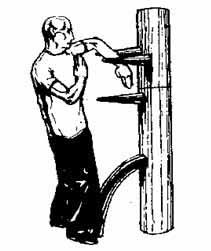
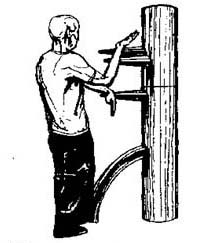
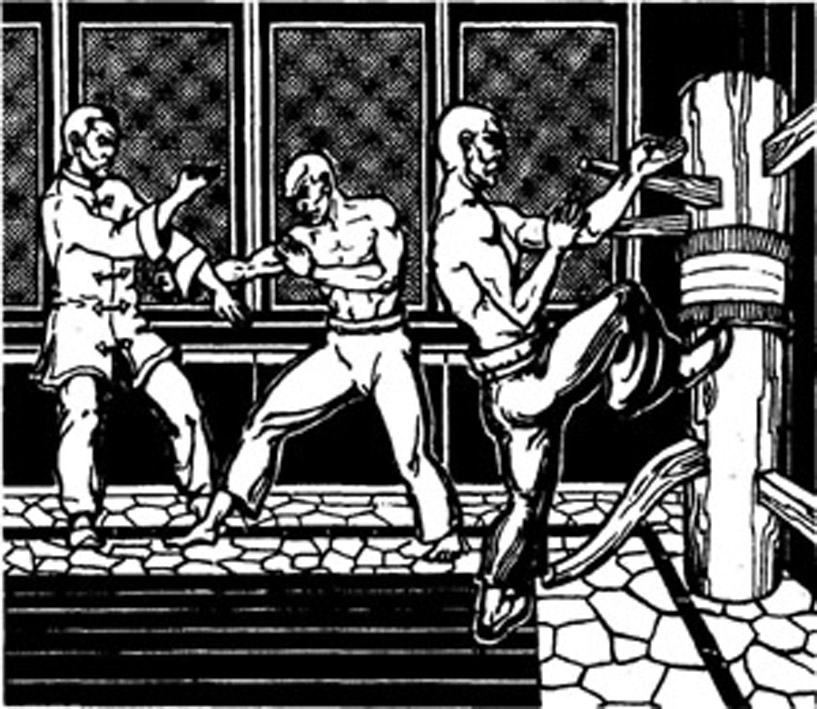
The Dummy - a versatile design, the system of life and knowledge generated of nowhere. The story of the dummy requires a separate investigation and treatment of the ancient treatises, and primary sources. But enough evidence to suggest that the history of a WD the longer of Wing Chun history as an independent style. Will there be a dummy to before create a Wing Chun or Wing Chun has appeared before - difficult to resolve the problem, which requires special studies.
|
| SECTION 1 | ||
![]() |
![]() |
![]() |
![]() |
![]() |
![]() |
![]() |
![]() |
![]() |
![]() |
![]() ![]() |
![]() |
![]() |
![]() |
![]() |
![]() |
![]() ![]() |
![]() |
![]() |
![]() ![]() |
![]() |
![]() |
![]() |
![]() |
![]() |
![]() |
![]() |
![]() |
![]() |
![]() |
| SECTION 2 | ||
![]() |
![]() |
![]() |
![]() |
![]() |
![]() |
![]() |
![]() |
![]() |
![]() |
![]() ![]() |
![]() |
![]() |
![]() |
![]() |
![]() |
![]() ![]() |
![]() |
![]() |
![]() ![]() |
![]() |
![]() |
![]() |
![]() |
![]() |
![]() |
![]() |
![]() |
![]() |
![]() |
| SECTION 3 | ||
![]() |
![]() |
![]() |
![]() |
![]() |
![]() |
![]() |
![]() |
![]() |
![]() |
![]() |
![]() |
![]() |
![]() |
![]() |
![]() |
![]() ![]() |
![]() |
![]() |
![]() |
![]() |
![]() |
![]() |
![]() |
![]() |
![]() ![]() |
![]() |
![]() |
||
| SECTION 4 | ||
![]() |
![]() |
![]() |
![]() |
![]() |
![]() |
![]() |
![]() |
![]() |
![]() |
![]() |
![]() |
![]() |
![]() ![]() |
![]() |
![]() |
![]() |
![]() |
![]() |
![]() |
![]() |
![]() |
![]() |
![]() |
![]() |
![]() |
![]() |
| SECTION 5 | ||
![]() |
![]() ![]() |
![]() |
![]() |
![]() ![]() |
![]() |
![]() |
![]() ![]() |
![]() |
![]() |
![]() ![]() |
![]() |
![]() |
![]() ![]() |
![]() |
![]() |
![]() ![]() |
![]() |
![]() |
![]() |
![]() |
![]() |
![]() |
![]() |
![]() |
![]() |
![]() |
![]() |
![]() |
![]() |
![]() |
![]() |
![]() |
![]() |
![]() |
![]() |
![]() |
![]() |
![]() |
![]() |
![]() |
![]() |
![]() |
![]() |
![]() |
![]() |
![]() |
![]() |
![]() |
![]() ![]() |
![]() |
![]() |
![]() |
![]() |
![]() |
![]() ![]() |
![]() |
![]() |
![]() |
![]() |
![]() |
![]() |
![]() |
![]() |
![]() |
![]() |
| SECTION 6 | ||
![]() |
![]() |
![]() |
![]() |
![]() |
![]() |
![]() |
![]() |
![]() |
![]() |
![]() |
![]() |
![]() |
![]() |
![]() |
![]() |
![]() ![]() |
![]() |
![]() |
![]() |
![]() |
![]() |
![]() ![]() |
![]() |
![]() |
![]() |
![]() |
![]() |
![]() ![]() |
![]() |
![]() |
![]() |
![]() |
![]() |
![]() ![]() |
![]() |
![]() |
![]() |
![]() |
![]() |
![]() |
![]() |
![]() |
![]() |
![]() |
| SECTION 7 | ||
![]() |
![]() |
![]() |
![]() |
![]() |
![]() |
![]() |
![]() |
![]() |
![]() |
![]() ![]() |
![]() |
![]() |
![]() |
![]() |
![]() |
![]() |
![]() |
![]() |
![]() ![]() |
![]() |
![]() |
![]() |
![]() |
![]() |
![]() |
![]() |
![]() |
![]() ![]() |
![]() |
![]() |
![]() |
![]() |
![]() |
![]() ![]() |
![]() |
![]() |
![]() |
![]() |
![]() |
![]() |
![]() |
![]() |
![]() |
![]() |
| SECTION 8 | ||
![]() |
![]() |
![]() |
![]() |
![]() |
![]() |
![]() |
![]() |
![]() |
![]() |
![]() ![]() |
![]() |
![]() |
![]() |
![]() |
![]() |
![]() |
![]() |
![]() |
![]() |
![]() |
![]() |
![]() |
![]() |
![]() |
![]() ![]() |
![]() |
![]() |
![]() |
![]() |
![]() |
![]() |
![]() |
![]() |
![]() ![]() |
![]() |
![]() |
![]() |
![]() |
![]() |
![]() ![]() |
![]() |
![]() |
![]() |
![]() |
![]() |
![]() ![]() |
![]() |
![]() |
![]() |
![]() |
![]() |
![]() ![]() |
![]() |
![]() |
![]() |
![]() |
![]() |
![]() ![]() |
![]() |
![]() |
![]() |
![]() |
![]() |
![]() |
![]() |
![]() |
![]() |
![]() |
![]() |
![]() |
![]() |
![]() |
![]() |
![]() |
Malayalam cinema, often called , is more than just an industry; it is a mirror of the unique social, political, and cultural landscape of Kerala. To understand it is to understand the "Malayali" identity—rooted in high literacy, social awareness, and a deep appreciation for grounded realism. 🎬 A Quick History
By exploring the vibrant world of Malayalam cinema and culture, one can gain a deeper appreciation for the rich heritage and traditions of Kerala. Whether you are a film enthusiast or a cultural aficionado, Malayalam cinema and culture have something to offer everyone.
Malayalam cinema remains a powerful testament to the cultural capital of Kerala. By prioritizing strong screenplays, rooted aesthetics, and raw human emotions over astronomical production budgets, the industry proves that universal stories are best told through local lenses. It continues to be a mirror to Kerala’s progressive triumphs, its deep-seated contradictions, and its enduring artistic legacy. To continue exploring this topic, Kerala Mallu Aunty Sona Bedroom Scene B Grade Hot Movie
: Many films are deeply rooted in Malayalam literature, translating complex social issues like caste, religion, and family structures to the screen. Iconic Figures : Actors like Kaviyur Ponnamma
Provide a curated list of based on your favorite genres. Malayalam cinema, often called , is more than
The 1970s and 1980s marked a golden era, characterized by the rise of "Middle Cinema"—a genre that successfully merged the artistic sensibilities of parallel cinema with the accessibility of commercial films. Visionary directors like Aravindan, John Abraham, and Adoor Gopalakrishnan gained international recognition for their avant-garde storytelling.


Outside, the rain had softened to a drizzle. The eastern sky was turning a pale, bruised lavender. The first fishing boats were setting out, their lights twinkling like distant stars on the backwaters. Whether you are a film enthusiast or a
Malayalam cinema does not exist in a vacuum. It is nourished by three main cultural pillars. 1. Literary Synergy
Lijo Jose Pellissery’s visceral exploration of primal human instincts earned global acclaim and was selected as India's official entry for the 93rd Academy Awards. Cultural Anchors: Geography, Politics, and Inclusivity